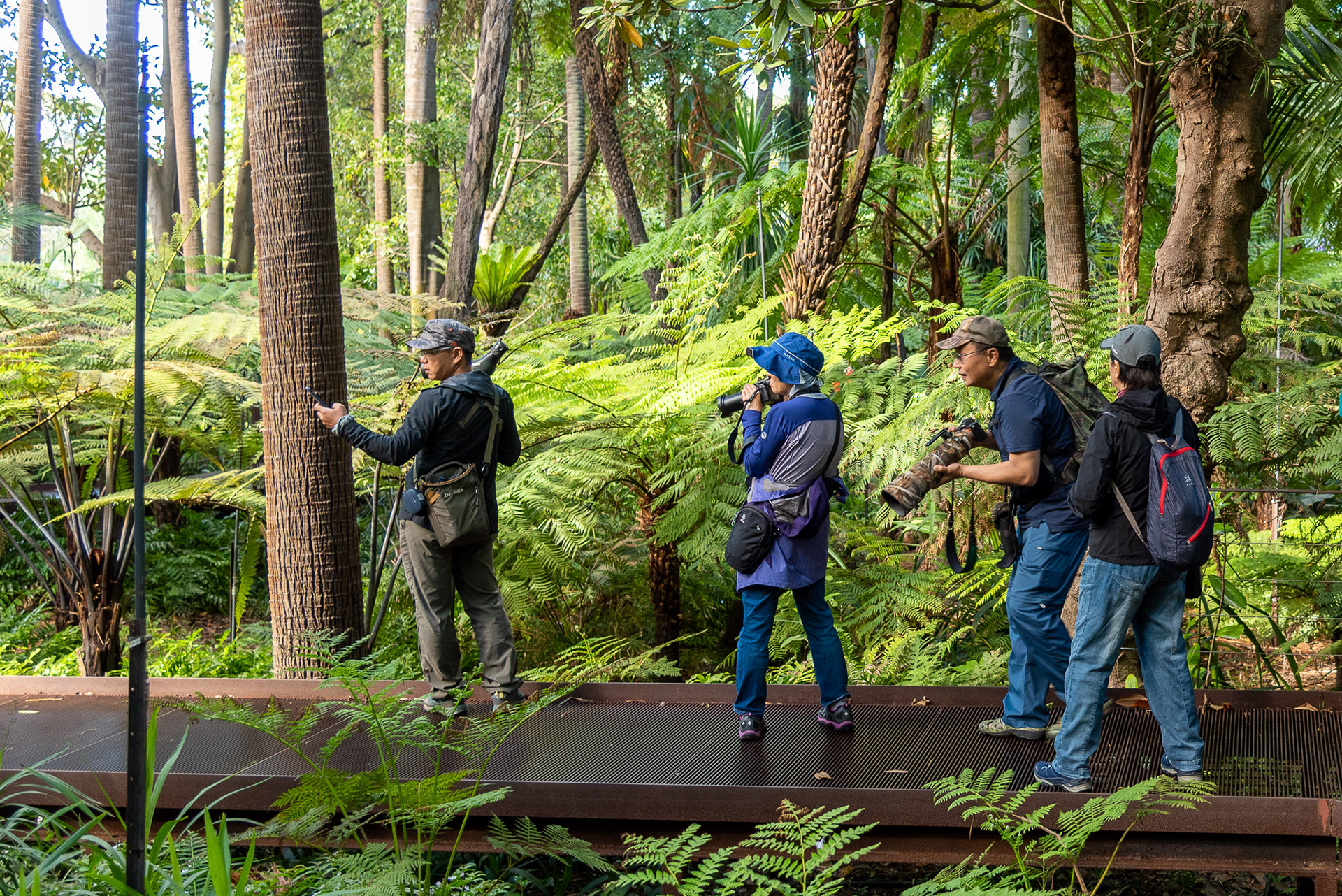
A group of birdwatchers sneak through the Melbourne Botanical Garden at the discretion of an Ornithologist who guides them.
These small groups of Asians have the fortune to travel around the world with their cameras and latest generation lenses to enjoy the beauty of the birds. Will they know how lucky they are to appreciate such a simple activity? Will they know that the birds watch them back too?
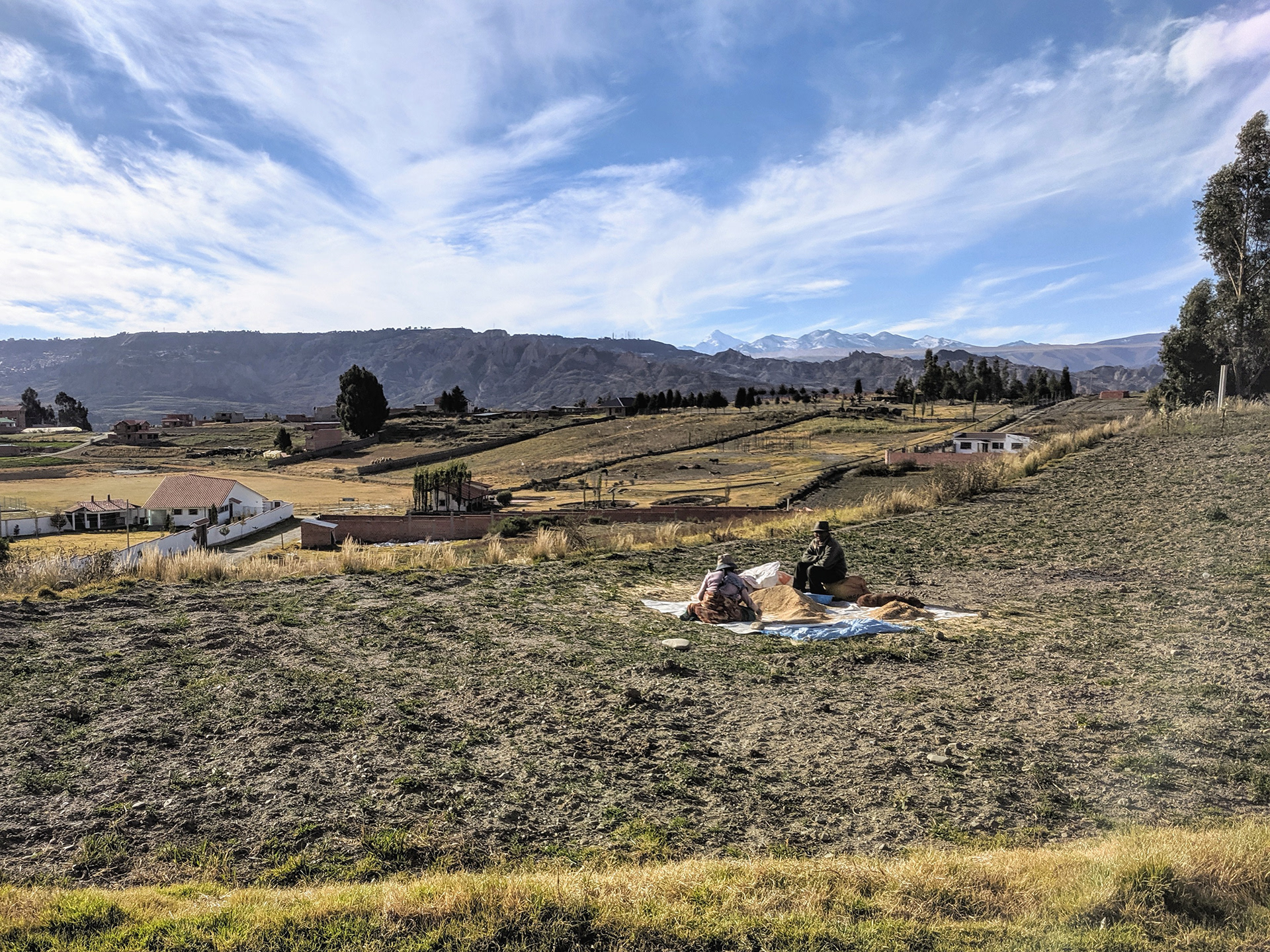
On the beautiful sunset of "El Alto" (Bolivia) they greeted me and said goodbye with grace Achilles and Elsa, who with concern said "his friends are almost no longer seen", holding his hand on his forehead made visor, the three of us watched the last motorcycle disappear, in the middle of family crops, on my last Bolivian sunset.
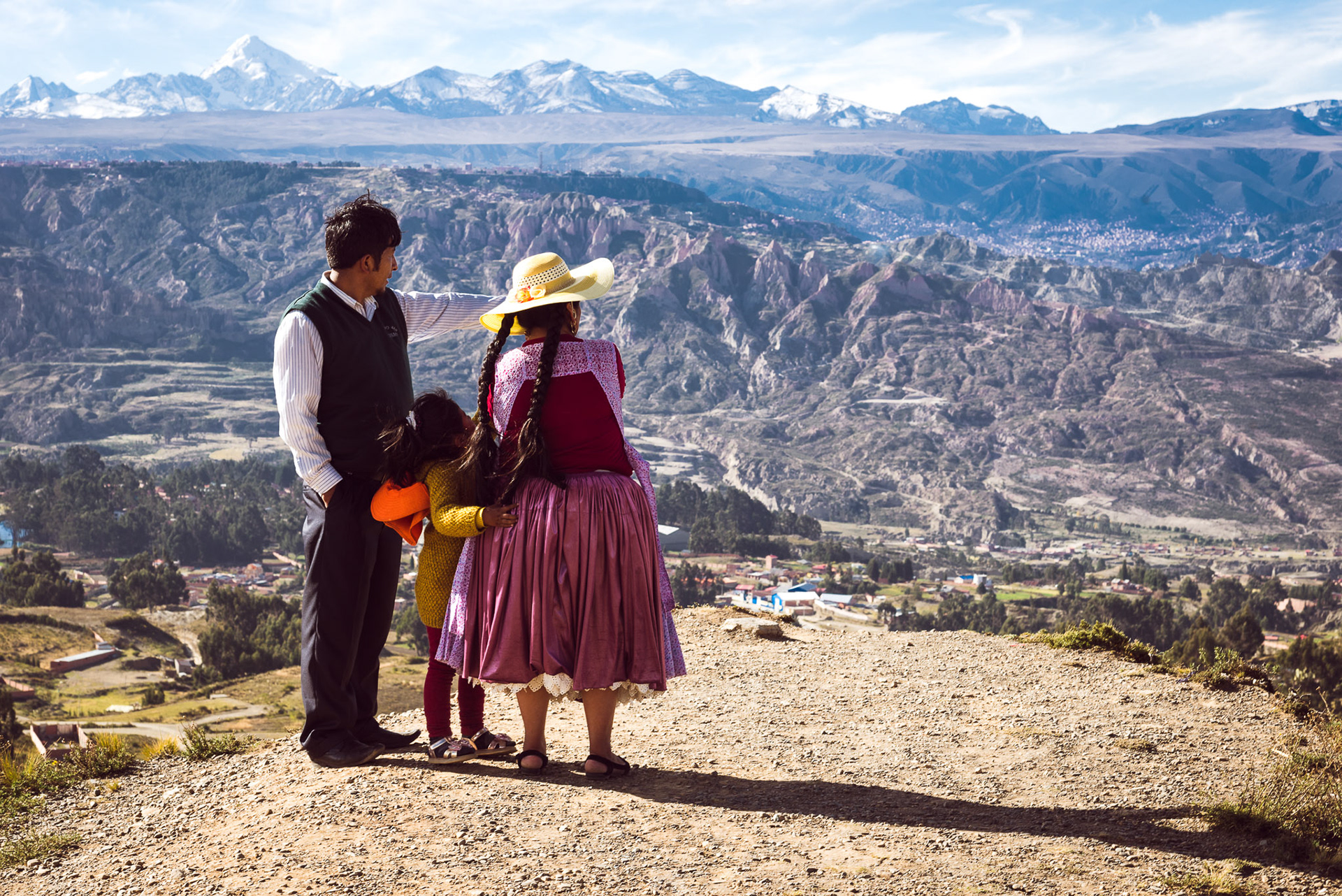
At the Achocalla viewpoint, a family watches the valley and teaches their little daughter where their ancestors settled down to work the land. The advance of the industrial agriculture displaced them, in spite of the fact that the peasant family agriculture corresponds to 95% of the national production.
From here you can see the whole mountain range of La Paz (Bolivia) which includes the Huayna Potosí, the Mururata and the Illimani, a breathtaking panorama that invites recollection and reflection.
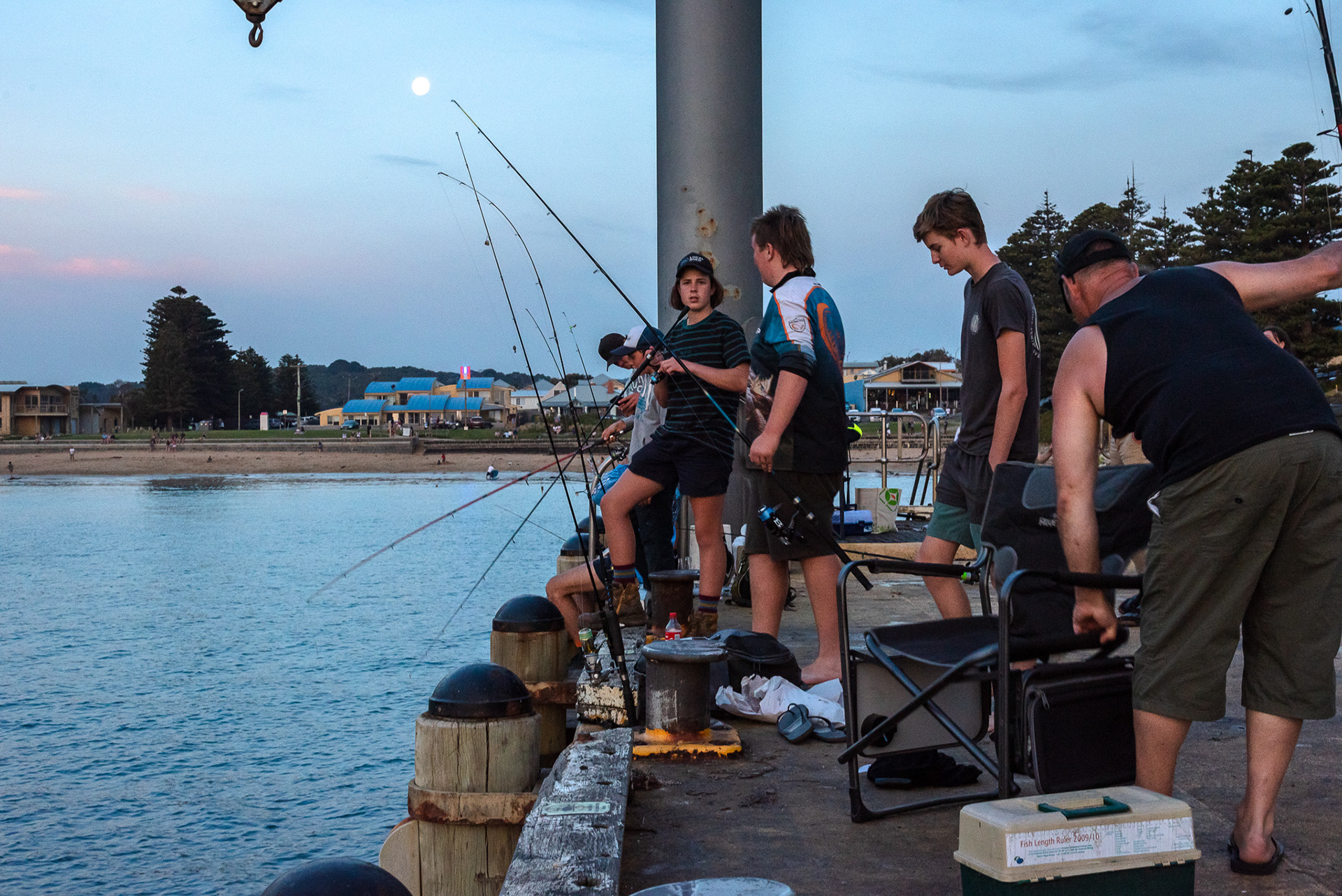
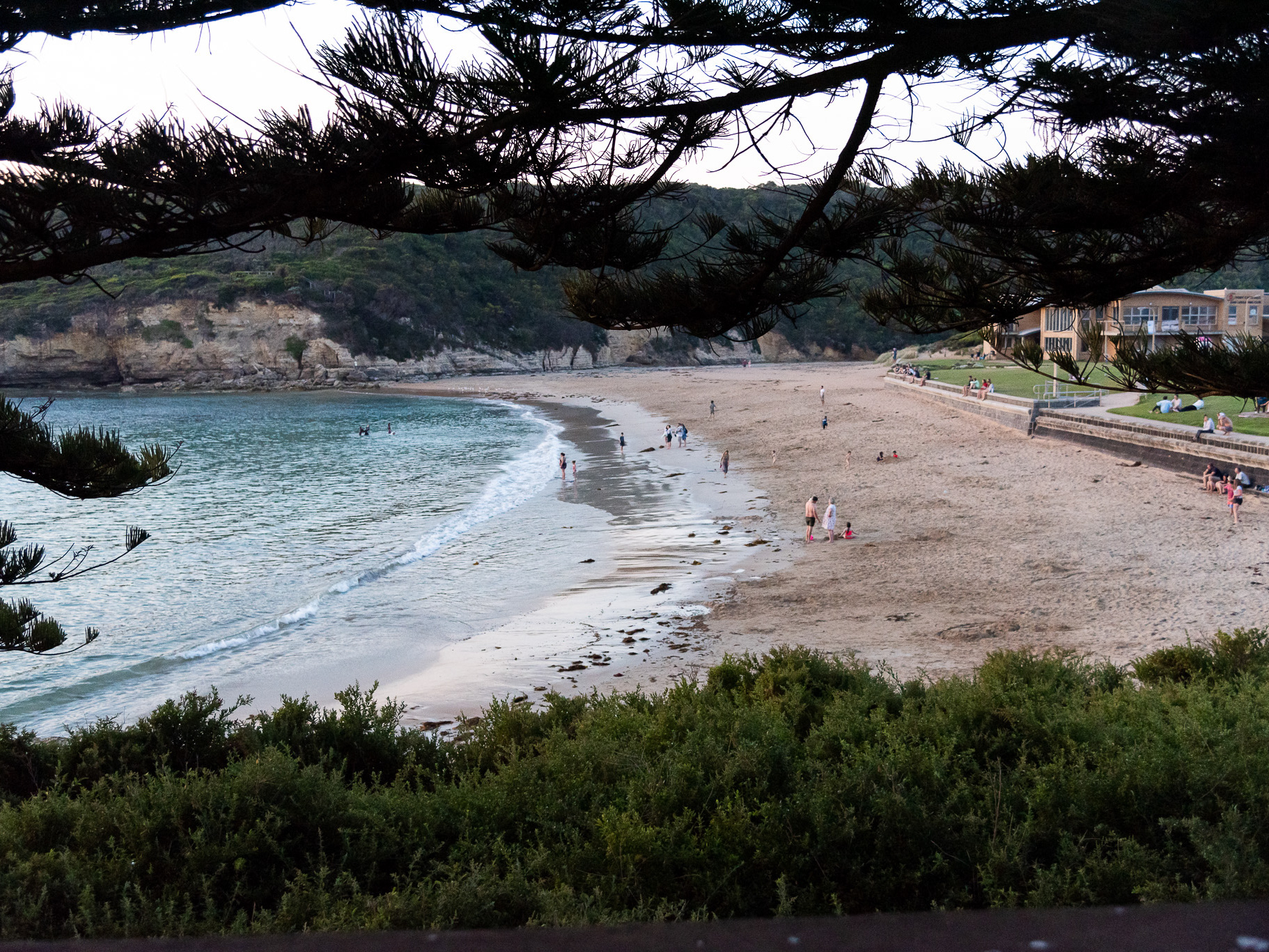
Campbell (a farmer, whaler and trader) took shelter in the Port Campbell inlet during a Bass Strait storm in about 1843. Port Phillip’s Superintendent LaTrobe showed Port Campbell on a sketch map that he drew in 1846.
Port Campbell (Australia) is now a resort and cray fishing port, facing Bass Strait in western Victoria, is on the Great Ocean Road.
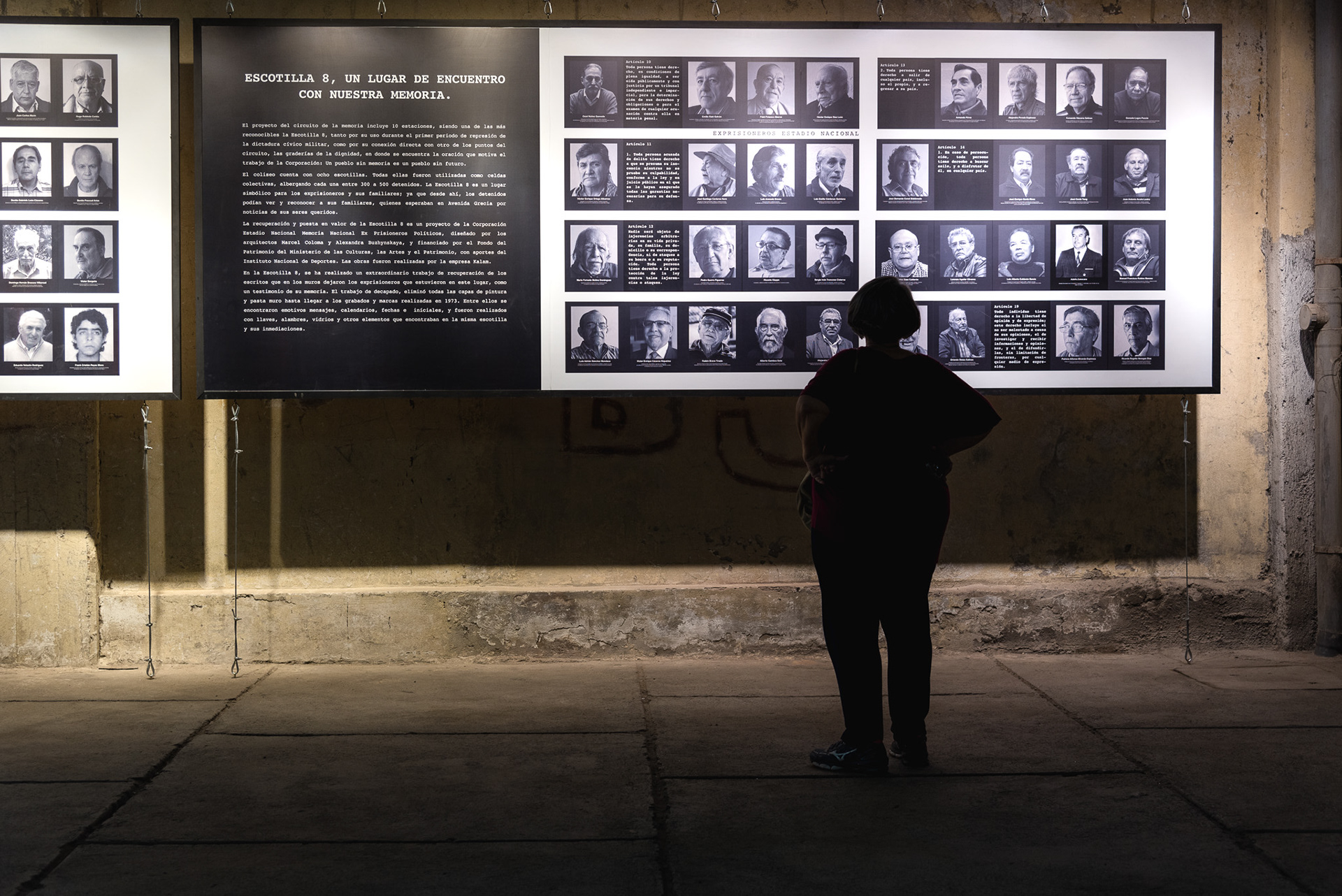
Lucia Murat looks at the photographs of some of the victims of the Chilean dictatorship led by Augusto Pinochet. As a result of the coup d'état, on September 11, 1973, through this stadium and these corridors (which are called "hatches"), more than 7,000 people were detained, tortured and several disappeared until today.